
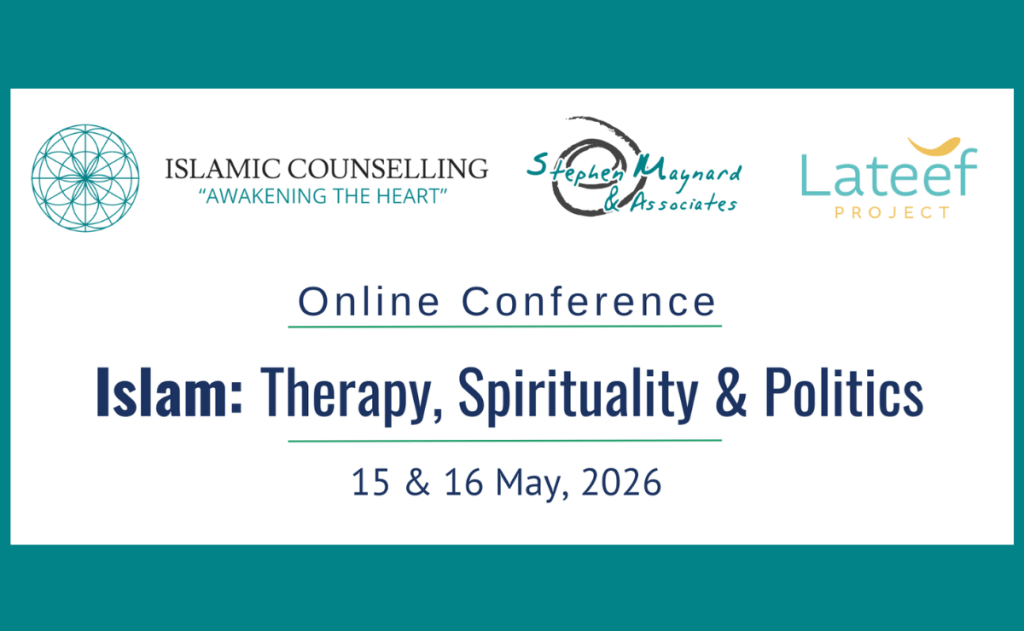
Part of the established tradition of mental health work is that the therapeutic space is ‘neutral’. This idea of neutrality, developed in the West, has been exported globally to places and people with mixed experiences of many Western conceptions, including justice.
Increasingly attention from diverse perspectives critique the idea of therapeutic neutrality as a myth. All therapists have values, whether we admit them or not. Are the values of our therapy indigenous to the ‘West’, or do they reflect universal truths? Are they divine-sacred, or pragmatic and political? How much do we notice the subtle and not so subtle interplay of values in our work? Where are the places we remain silent? Is it possible to be ethical and incorporate activist sensibilities in psychotherapy without losing our focus on the client (or should we)? This conference exposes the myth of therapeutic neutrality and explores alternative ways of being in therapeutic spaces taking account of both our faith and our politic.
Considering our actual values:
What therapeutic space do we want to create? How do the words we speak lose the performance of therapy and become true to its core, of healing and humanity?
How do we, as limited individuals living in society, as people with different histories of oppression and different reference points, be witnesses of truth for ourselves and our clients? What does witnessing mean? Is this in the context of a far greater divine reference? Does this time command us to be more honest and break apart the things we think we know, to find new ways of being?
How has the colonisation of spirituality and religion itself impacted ideas of ‘good therapeutic practice’?
Therapists often feel that their domain is the individual (or family). With this we can feel powerless in wider oppressive systems that impact the work we do. Within these dynamics of coloniality and oppression, how do such systems impact and control our ability to work in ethical ways and what can we do to effect change?
A conference that centres a different way of being
All are welcome to this conference, which aims to offer therapists from our diverse communities an opportunity to reflect and dialogue on ancient and contemporary Islamic understandings of self, therapy, and well-being. Our worlds are structured by our imaginings of it, and this conference explores Islamic understandings of knowing, being, and health, that may invite a wider understanding of the field of mental health as a whole.
Exploring intersections between spirituality therapy and politics
This is also important within the context of today’s political and geopolitical upheavals as we try to build therapeutic relationships with Muslim clients whose lives are structured by understandings of Islam. It is widely acknowledged that therapy is not neutral, and perhaps this is why Muslims in the Global North do not access standard therapeutic practice as often, as quickly or effectively as many other client groups.
Coming together
This event is a space for both Muslim therapists and their peers to reflect on the nuances of therapeutic work in the super-diverse Muslim community—a community that has often been subject to misunderstanding, suspicion, and surveillance. We will explore how Islam, Islamic Counselling, and Islamic Psychology, provide pathways to more culturally aligned and meaningful therapeutic experiences for Muslims. With keynote speakers, and practical examples of therapeutic work, we aim to provide valuable learning for Muslims and non-Muslims alike.
RECORDING
This conference will be recorded, and your ticket gives you access to all recordings in the Onlinevents CPD Library. This will be useful for colleagues who are not able to attend the event live, and also for those who attend the event live and want to watch it again.
 Psychoanalysis and Social Justice
Leave a comment